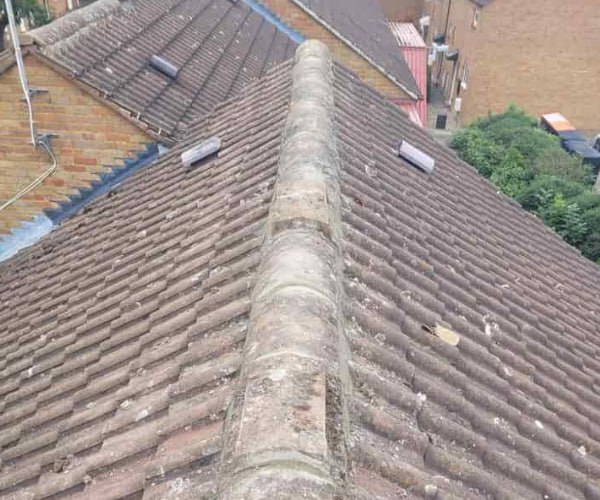
Why Proper Roof Ventilation Matters When Installing a New Roof
Installing a new roof involves more than choosing suitable tiles or completing a watertight covering. Proper ventilation is also an important part of the roofing system, helping manage moisture and temperature within the roof space. Without adequate airflow, warm, moisture-laden air can become trapped, increasing the risk of condensation and potentially affecting the roof structure over time.
For homeowners in Towcester, Northamptonshire, considering ventilation during a roof installation can help protect the property and support the long-term performance of the new roof. Understanding how roof ventilation works and why it matters can help ensure that essential details are not overlooked during the project.
What Is Roof Ventilation and How Does It Work?
Roof ventilation allows air to move through the roof space, helping remove excess heat and moisture. In many pitched roofs, this involves a combination of ventilation openings near the eaves, where air can enter, and suitable high-level outlets that allow warmer, moist air to escape.
The exact arrangement depends on the roof design, construction and ventilation requirements. A properly designed system should encourage a suitable flow of air without allowing rain, snow or pests to enter.
Ventilation should also work alongside the property’s overall moisture control measures. It is not a substitute for adequate insulation, a suitable vapour control layer or an effective roofing underlay. Each component has a different purpose, and they need to work together to maintain a healthy roof structure.
Reducing Condensation in the Roof Space
Condensation is one of the main problems that inadequate roof ventilation can contribute to. Everyday activities such as cooking, bathing and drying clothes release moisture into indoor air. If this warm air reaches colder surfaces within the roof space, water droplets can form.
Over time, persistent condensation may contribute to:
- Damp roof timbers and deterioration of wooden components.
- Mould growth on suitable surfaces.
- Damage to stored belongings within the loft.
- Corrosion of metal fixings and other components.
- A damp or musty smell in the roof space.
Proper ventilation can help remove moisture-laden air and reduce the likelihood of condensation building up. However, the source of excessive moisture must also be addressed. A ventilation system alone will not resolve problems caused by significant indoor humidity, air leakage or roof leaks.
Helping Manage Heat Build-Up During Warmer Weather
Roof spaces can become considerably warmer during sunny weather, particularly beneath dark roofing materials. Without suitable ventilation, heat may accumulate in the loft and contribute to higher temperatures in rooms below.
A correctly designed ventilation system helps air circulate through the roof space, allowing some of this accumulated heat to escape. This can support more stable conditions within the roof structure and help reduce excessive heat build-up.
The level of ventilation required depends on factors such as roof size, pitch, layout and insulation. Simply adding vents without considering the complete roof design may not provide effective airflow.
Protecting Roof Timbers and Structural Components
Roof timbers provide essential support for many pitched roofing systems. Persistent moisture can affect their condition, particularly when condensation is allowed to remain within an enclosed roof space.
Prolonged dampness may encourage timber decay and create conditions suitable for fungal growth. Metal components can also be affected by moisture, potentially weakening parts of the roofing structure over time.
When installing a new roof, it is important to consider how ventilation will help maintain suitable conditions around these components. Good airflow, combined with effective moisture control and appropriate materials, can help preserve the condition of the roof structure.
Why Ventilation Should Be Planned During a New Roof Installation
A new roof installation provides an opportunity to assess the entire roofing system rather than focusing only on the external covering. Ventilation requirements should be considered before work begins, as the roof’s construction may influence where and how airflow can be provided.
Important considerations include:
- Roof design: Pitched roofs, complex roof shapes and different loft configurations may require different ventilation arrangements.
- Insulation placement: Insulation should not obstruct ventilation paths at the eaves or other designated airflow routes.
- Roofing underlay: The type of underlay used can influence the ventilation strategy and the requirements of the roof build-up.
- Air leakage: Uncontrolled warm air entering the roof space can increase condensation risk, so suitable sealing and moisture control are important.
- Ventilation openings: Eaves, ridge or other suitable vents should be selected and positioned according to the roof’s design.
Planning these details during installation helps avoid problems that may be more difficult to address once the new roof is complete.
Signs That an Existing Roof May Have Ventilation Problems
If you are replacing an older roof, it is worth looking for signs that the existing ventilation arrangement may be inadequate. These can include condensation on the underside of the roof covering, damp insulation, mould growth, musty smells and visible moisture on roof timbers.
These symptoms do not automatically confirm a ventilation problem. Roof leaks, plumbing issues and excessive indoor humidity can produce similar signs. A professional inspection can help identify the underlying cause and establish whether improvements to ventilation are needed as part of the new installation.
Professional Roofing Services in Towcester
Proper roof ventilation is an important consideration when installing a new roof. It helps manage moisture, supports temperature control and protects the materials and structural components within the roof space.
KLJ Roofing Towcester can help homeowners in Towcester, Northamptonshire, consider the condition and requirements of their roofing system when planning roofing work. If you are arranging a new roof or have concerns about condensation and airflow, get in touch to discuss your requirements.
Conclusion
A new roof should provide more than an attractive and weather-resistant finish. Its ventilation, insulation and moisture control arrangements are also essential to its overall performance. By planning suitable ventilation during installation, homeowners can help reduce condensation risks and support the long-term condition of their roof.
If you are considering a new roof in Towcester, Northamptonshire, contact KLJ Roofing Towcester to discuss the work and ensure that the important details of your roofing system are properly considered.
Call us on: 01327 223 898
Click here to find out more about KLJ Roofing Towcester
Click here to complete our contact form and see how we can help with your roofing needs.