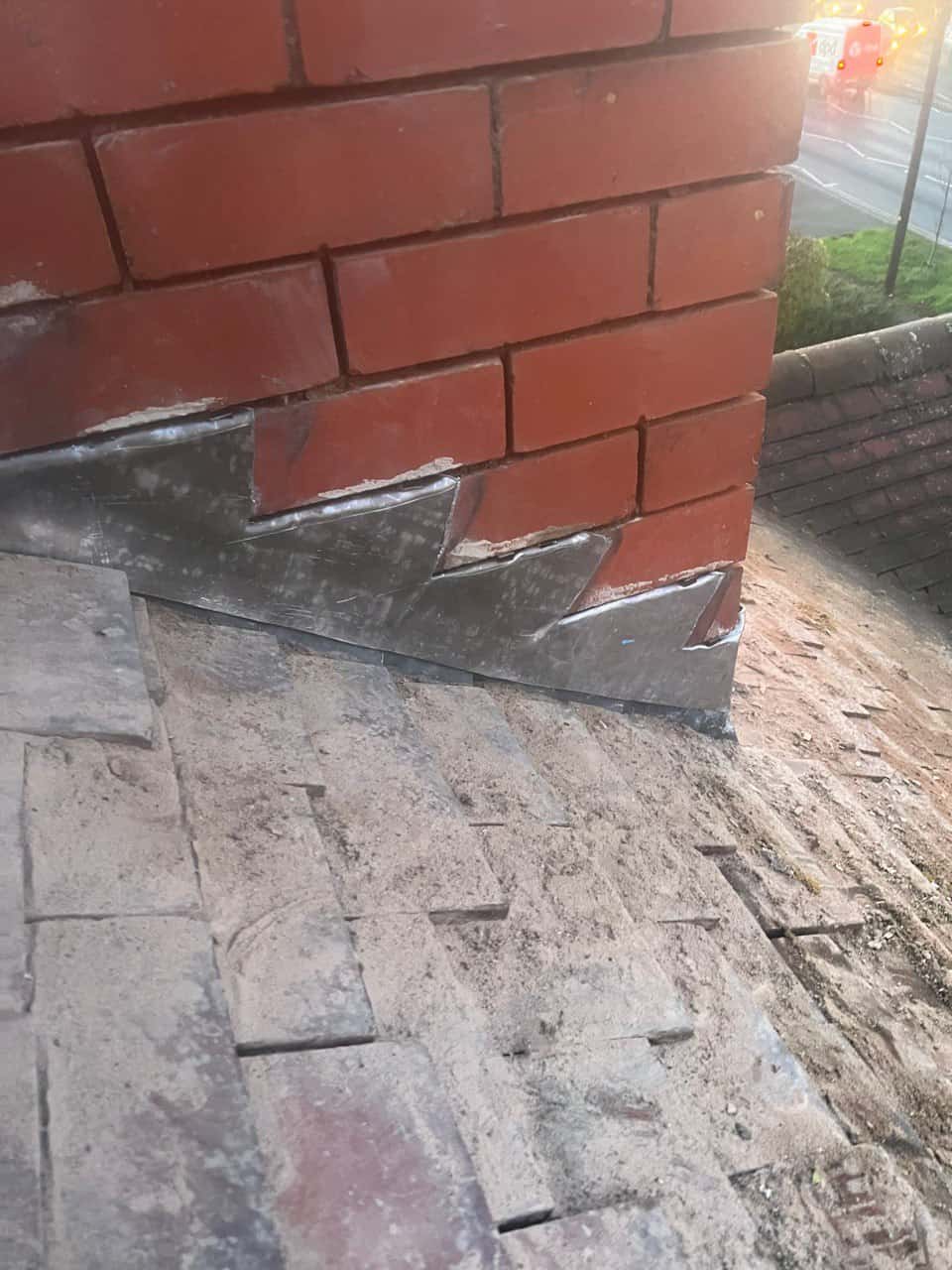
What Is Repointing and Why It Protects Your Brickwork
Brickwork is designed to provide strength, durability, and protection for your property. However, the mortar that holds the bricks together can gradually wear over time. Repointing is the process used to restore this mortar, ensuring the structure remains secure and weather-resistant.
For homeowners in Towcester, Northamptonshire, understanding the role of repointing is essential for maintaining both the appearance and condition of your property.
What Is Repointing?
Repointing involves removing old, damaged mortar from between bricks and replacing it with new mortar. This restores the joints that bind the brickwork together and helps maintain the overall stability of the structure.
The process is carried out carefully to ensure the new mortar blends with the existing brickwork while providing improved protection.
Why Mortar Deteriorates
Mortar is exposed to the elements throughout the year, which gradually affects its condition. Over time, it can become weakened due to:
- Rain and moisture penetration
- Temperature changes causing expansion and contraction
- General ageing and weather exposure
As the mortar deteriorates, it becomes less effective at holding the brickwork together and preventing water ingress.
Protecting Against Water Ingress
One of the most important functions of repointing is to prevent water from entering the structure. Damaged or missing mortar creates gaps where moisture can penetrate.
By restoring the mortar joints, repointing helps create a watertight seal, protecting the brickwork and the interior of your property.
Maintaining Structural Integrity
Mortar plays a key role in keeping brickwork stable. When it begins to break down, the strength of the structure can be affected.
Repointing reinforces the joints, ensuring the bricks remain securely in place and the structure continues to perform as intended.
Preventing Further Damage
If deteriorating mortar is left untreated, it can lead to additional issues such as:
- Loose or unstable bricks
- Increased exposure to weather conditions
- Gradual weakening of the wall structure
Addressing the problem early helps prevent these issues from developing further.
Enhancing the Appearance of Brickwork
In addition to its practical benefits, repointing can significantly improve the appearance of a property. Fresh mortar creates clean, defined lines between bricks, giving the exterior a well-maintained look.
For properties in Towcester, Northamptonshire, this can enhance the overall presentation of the home.
When Should Repointing Be Considered?
Signs that repointing may be required include:
- Crumbling or missing mortar
- Visible gaps between bricks
- Damp patches appearing on internal walls
- Loose or unstable brickwork
If any of these signs are present, it is advisable to seek professional advice.
The Importance of Professional Workmanship
Repointing requires precision and experience to ensure the work is carried out correctly. The mortar must be applied carefully to achieve both a strong bond and a consistent finish.
At KLJ Roofing Towcester, we provide professional services across Towcester, Northamptonshire, ensuring that repointing work is completed to a high standard and supports the long-term condition of your property.
Conclusion
Repointing is an essential process that restores the mortar between bricks, helping to protect against water ingress, maintain structural integrity, and improve the appearance of your property.
For homeowners in Towcester, Northamptonshire, keeping brickwork in good condition is key to long-term durability. KLJ Roofing Towcester offers reliable expertise and high-quality workmanship to ensure your brickwork remains secure and well maintained.
If you have noticed signs of deteriorating mortar, arranging a professional assessment is a practical step towards protecting your property and preserving its structure.
Call us on: 01327 223 898
Click here to find out more about KLJ Roofing Towcester
Click here to complete our contact form and see how we can help with your roofing needs.